
Digital Distraction Is the New Addiction
Why Digital Distraction Is the New Addiction
Addiction once had a clear image: alcohol, drugs, gambling—substances that visibly consumed a person’s life. Today the picture is quieter. A phone screen lights up, a notification appears, and a quick scroll quietly turns into thirty minutes. Nothing dramatic seems to happen, yet attention fragments, discipline weakens, and the ability to think deeply begins to erode.
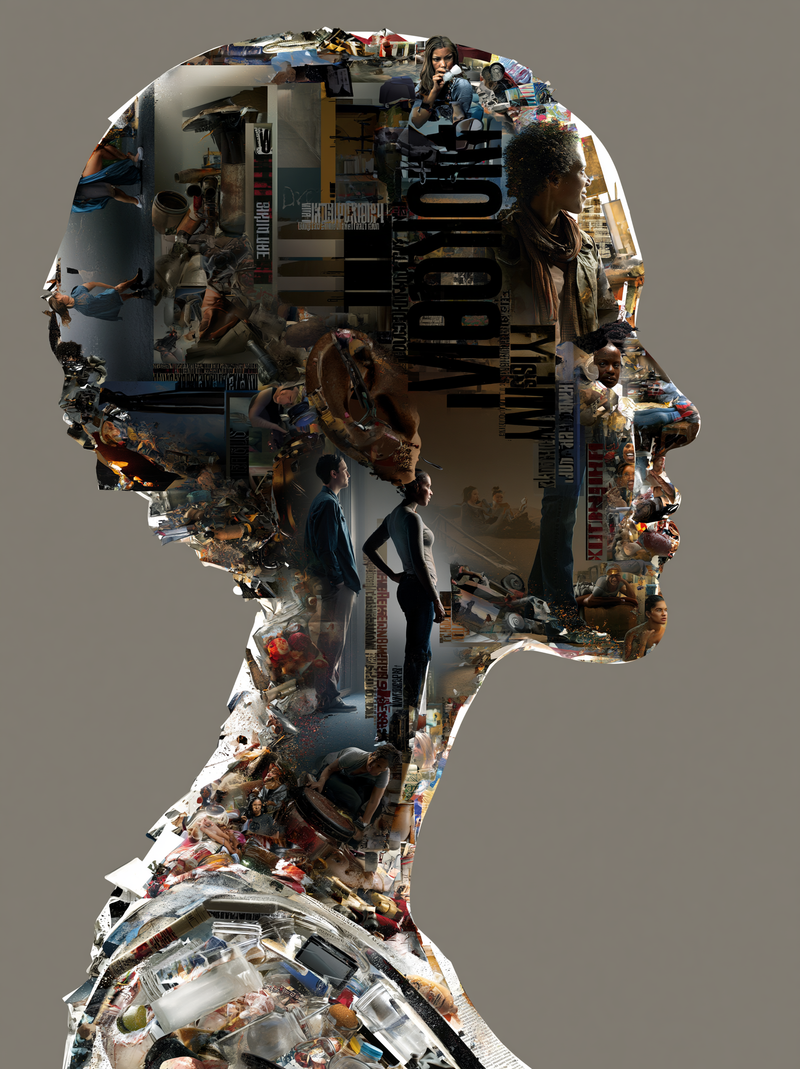
Digital distraction has become the modern world’s most socially acceptable addiction. Unlike traditional addictions, it rarely looks destructive from the outside. Yet internally it is reshaping how people think, work, believe, and build their lives. The cost appears gradually: lost focus, emotional fatigue, and the persistent sense that time is slipping away unnoticed.
From Substance Addiction to Attention Addiction
Traditional addictions relied on substances or environments and often carried social stigma. Digital addiction is different. It lives inside the devices we carry everywhere, hides within tools we depend on for work, and is reinforced by systems intentionally designed to capture attention. Because of this, the pattern feels harmless even when the structure resembles classic addiction cycles—small bursts of stimulation, unpredictable rewards, and repeated engagement.
Over time these cycles train the brain to expect constant novelty. Silence becomes uncomfortable, stillness feels unfamiliar, and deep concentration begins to feel unnatural. What emerges is not merely distraction but a gradual reshaping of attention itself.
The Attention Economy
In the past, companies competed primarily for money. Today they compete for attention. Social media platforms, news feeds, streaming services, and mobile applications are built around one central metric: how long they can keep you engaged. Your attention is no longer only personal—it has become economic.
Modern platforms use behavioural design techniques such as infinite scrolling, recommendation algorithms, autoplay features, and persistent notifications. The goal is not simply to deliver information but to extend engagement. Each additional minute spent inside a platform generates more data, more advertising exposure, and more profit. At the neurological level, notifications operate like intermittent rewards, creating anticipation and habit loops that train the brain to check devices repeatedly—even when there is nothing meaningful waiting.
What Digital Distraction Quietly Takes Away
The real danger of digital distraction is not simply the time it consumes but what it slowly removes. Deep thinking becomes rare when attention is constantly interrupted. Complex ideas require uninterrupted focus, and without it long-term strategy, creativity, and intellectual clarity begin to fade.
Digital environments also introduce constant comparison through curated images of other people’s success, creating subtle emotional instability. At the same time, digital activity often creates the illusion of productivity. Reading articles, checking emails, and consuming endless content may feel like progress, yet the deeper work of building, creating, and thinking rarely happens. Over time discipline weakens as small interruptions replace sustained effort.
Reclaiming Attention Through Discipline and Structure
Resisting digital distraction is not simply a matter of willpower. Modern systems are intentionally designed to exploit the brain’s reward patterns. Because of this, discipline must be structural rather than motivational. Scheduled focus periods, controlled device use, limited notifications, and clearly defined work environments help protect attention before distraction begins.
Small environmental changes can be powerful: placing devices in another room during deep work, disabling non-essential notifications, and scheduling specific windows for digital consumption. These changes introduce friction between impulse and action—an essential condition for discipline to grow.
Attention as a Strategic Resource
Reclaiming attention does not require rejecting technology. It requires using it deliberately rather than reflexively. Boundaries such as phone-free work sessions, limited social media windows, and protected focus blocks restore intentionality. Even one or two uninterrupted periods of deep work each day can rebuild the mind’s tolerance for sustained thinking.
Attention is more than a productivity tool; it is also connected to internal stability. Silence, reflection, and prayer—practices long emphasized in faith traditions—depend on the ability to remain still and attentive. In a world filled with digital noise, these disciplines quietly restore clarity and balance.
Conclusion
Digital distraction rarely appears dangerous. It looks normal, casual, even harmless. Yet beneath the surface it reshapes the mind: attention fragments, discipline weakens, and time quietly disappears.
In a world aggressively competing for focus, protecting attention becomes a strategic decision. Those who learn to guard it gain something increasingly rare—the ability to think clearly, work deeply, and build patiently.
This idea is explored further in the Lunchiano book Attention Is Currency, which examines how focus, discipline, and stability shape long-term growth in the digital age.

What Are Journals & Workbooks?
A short guide to the difference between the two — and why writing is what turns insight into something you actually do.